Who does what?
Dean, vice dean, ‘formal’ vice dean, university dean, student dean. These are positions at this university, but who does what exactly? It is at times cause for some frowning among the editorial staff.
The reason this time is a vacancy at the Faculty of Science and Engineering (FSE) for a vice dean (if you are interested, you can apply until 29 February). Generally speaking, vice deans are the board members who have education or research in their portfolios.
So, the logical question for the FSE board was: Are you looking for a replacement for the portfolio holder of education, or research? No, was the answer, “there will be an additional formal vice dean”. That person will mainly focus on the field of engineering. So, an extra person in the board. FSE dean Thomas Cleij will soon find himself at a table with the formal vice dean, three ‘ordinary’ vice deans of education, research and internationalisation as well as the director.
But we will make it even more confusing. Last week, a professor referred to himself as university dean (and no, he is not the boss of a faculty). Then, we have the student deans within the Student Services Centre ánd the deans of the University Colleges in Maastricht and Venlo. The latter are – recently – referred to as programme directors. Fortunately, that is a ‘dean’ less.
Thesis dance
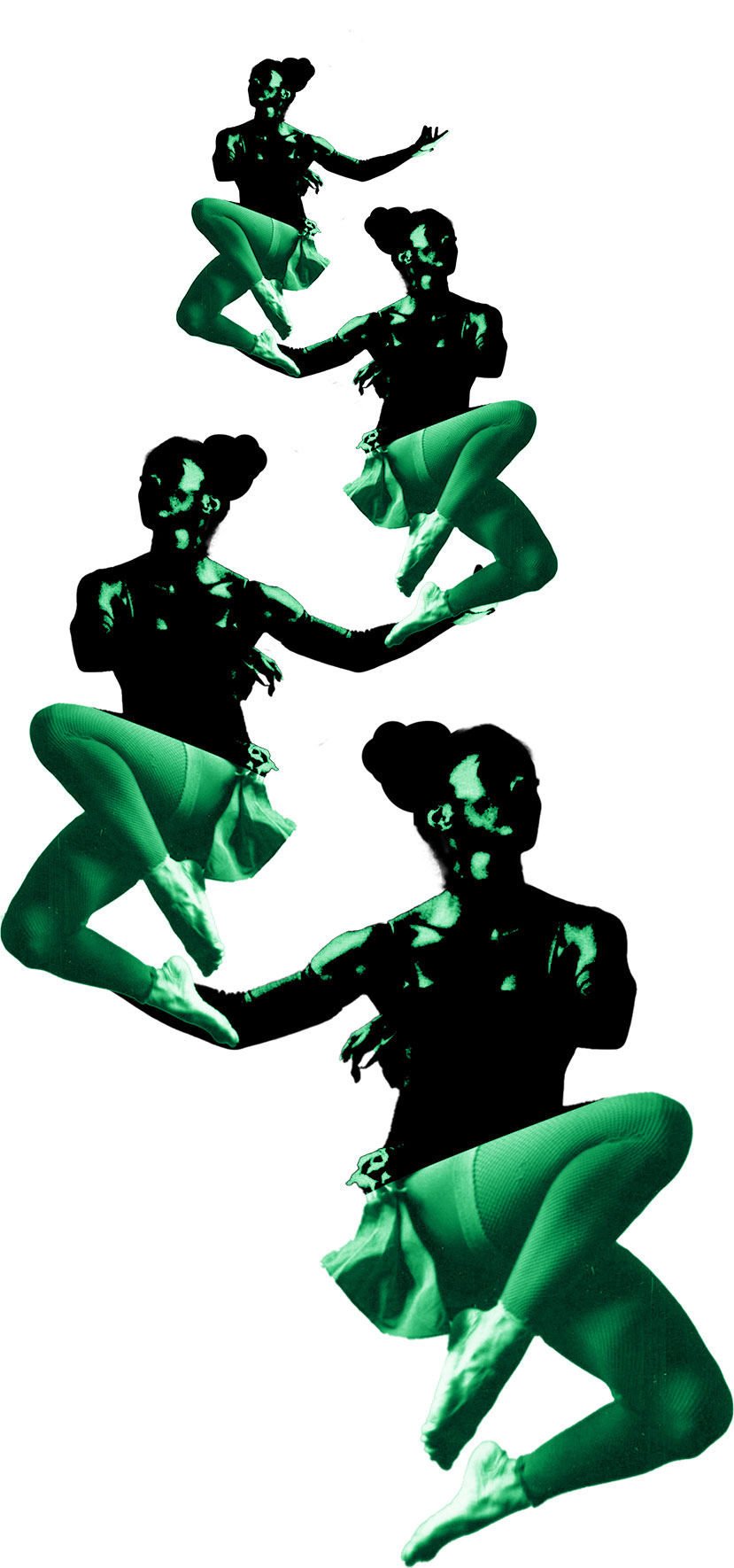 Illustration: Simone Golob
What does it look like when you ask the question ‘What is your thesis about?’ and it is not answered with a complicated story but with a dance? That is what the Science journal has been asking itself for the past sixteen years in the annual Dance Your PhD competition organised by the journal. Social scientist Kim Stienstra from Utrecht is competing for the title this year, independent news platform DUB reports.
Stienstra graduated mid-January, having studied the influence of the class on a pupil who is lagging behind. A good teacher and a pleasant atmosphere in the class, for example, have a positive effect on school achievements, especially for children with lower-educated parents. What does that look like in dance? In the video that Stienstra sent in, we see her and other dancers from her group LOF Dance Crew leaning on each other and helping each other get up when one of them is on the ground.
As far as Observant is aware, Maastricht PhD graduates have never attempted to put their theses to dance, but in Utrecht, Stienstra is not the first one. In 2019, veterinary surgeon Nikae te Moller participated in Dance Your PhD and in 2010, neuro scientist Maartje de Jong even won in the category ‘Biology’.
Scrawling too legible
A student from Leiden feels that his own handwriting is so illegible that he wants to do his exams on a laptop, Hoger Onderwijs Persbureau, (Higher Education Press Agency) reported. He has already put his case before the Board of Examiners, the appeals committee for exams at Leiden University, and even the Council of State, but without success.
The student claims that writing neatly costs him so much time and stress that he is unable to do well in his exams. But as far as the Council of State is concerned, he is unable to prove that this results in lower grades. They also fail to see the connection between his scrawling and the fact that, as he says himself, “he is from a non-academic environment and a less well-off family”.
The Board of Examiners even wondered if the scrawling is really that bad. The committee saw “no remarks by revisers to suggest that they had a problem reading the answers” in his previous exams. “The handwriting is no more illegible than that of the average student,” the appeals committee added.
The Council of State is the highest body to which a student can submit a complaint, the law student will therefore have to continue using pen and paper for his exams.
With contributions of Wendy Degens and Cleo Freriks