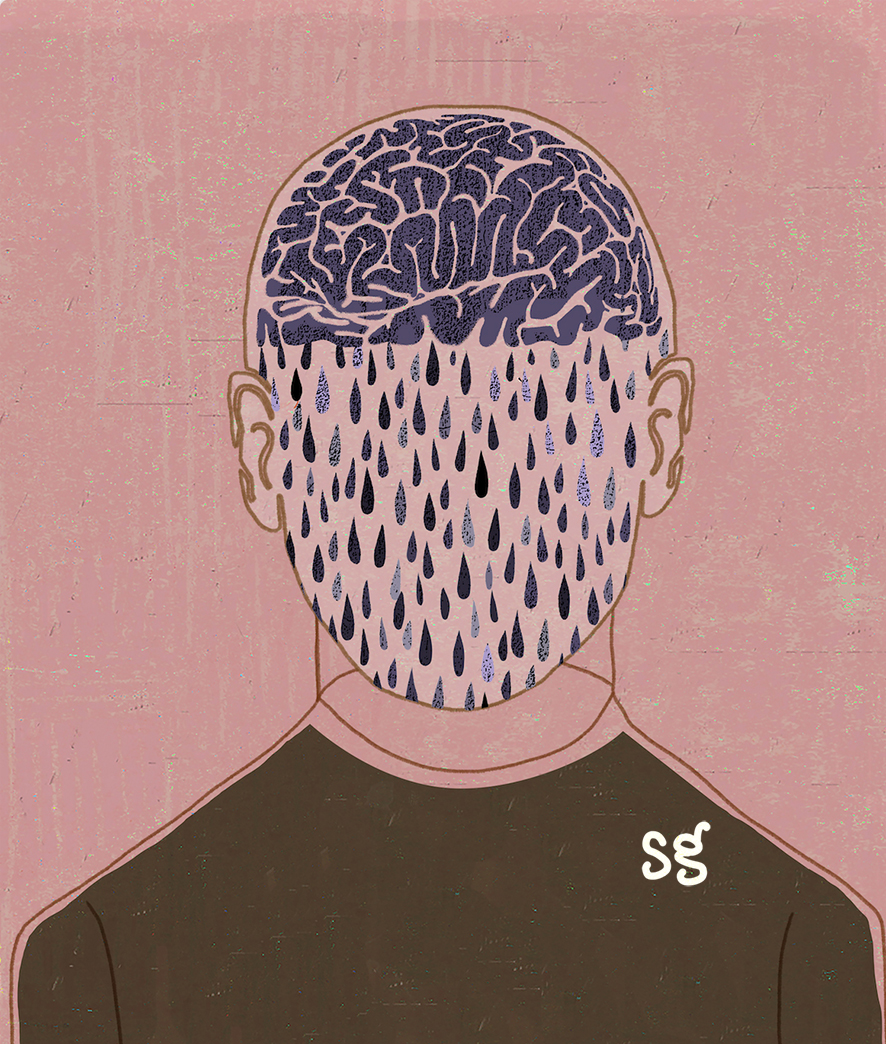
Help with climate anxiety
It would be difficult to find a place in the world where the weather hasn’t been ‘too’ the past few years: too hot, too dry, too wet, too cold, too stormy. Not to mention all those alarming reports about the future of the planet. As a result, more and more people are so worried about the climate that they suffer from what is called climate anxiety or climate depression.
At the Vrije Universiteit Amsterdam (VU), they found the problem to be so great that they are now the first in the Netherlands to be offering the ‘Geestelijke zorg en Planetaire gezondheid’ (Mental Health Care and Planetary Health) course. It is intended for master’s students who want to do something with the existential questions surrounding the ecological crisis, says the press release. It is part of the master’s of Spiritual Care by the Amsterdam Faculty of Theology.
Future mental health carers will not just work with despondent climate activists. “There are also farmers who are dealing with questions about livelihood security,” says lecturer and initiator Hans Alma.
Few people working on Good Friday
A day off tomorrow? That does not apply to everyone at UM. The university’s collective bargaining agreement allows employees to ‘swap’ Good Friday for another (religious) feast or memorial day. An option that has been emphatically promoted by UM on the employee’s intranet: as an “international employer of a diverse community” UM will deal “generously” with exchange requests.

Interest, however, appears to be limited. So far, the HR department has processed a mere six requests, according to policy officer Manon Duchateau. The UM employees concerned will work on Good Friday in order to be off during Eid-al-Fitr (Sugar Feast), Rosh Hashanah (Jewish New Year) or ‘the 11th of the 11th’ (the traditional opening of the carnival season) . Whether requests for an exchange have been denied – something that a manager may do in the case of “grave operational interests” (such as shutting down a building) – Duchateau does not know. “But we have not received any signs about that.”
Duchateau admits that the number of requests “may at first sight appear low,” but points out that UM already offers “a broad scale of flexible options. Besides, employees who don’t normally work on Friday are not eligible, while others have sufficient holidays or compensation hours to have a free day on the feast or memorial day that they want to celebrate.” An extension of the ‘flexible holiday policy’ to other ‘free’ days (a subject on the collective bargaining agreement negotiation table) is something she would therefore “welcome. We will continue to strive to offer flexible options.”
Police pursuit
The average Maastricht citizen won’t look twice if they saw a camera crew following policemen. After all, eighteen seasons of the popular police series Flikken Maastricht have been filmed in the city. In the coming months, however, it won’t be actors who are at the other end of the camera lens, but real policemen. Starting this week, presenter Ewout Genemans will follow six police duos during their daily duties for TV programme Bureau Maastricht.
Previously, Amsterdam, Rotterdam, and The Hague were among the cities that formed the setting for the popular reality series. That the choice for the sixth season fell on Maastricht, is not surprising, Genemans explained on Instagram. “Close to the border, with a vibrant nightlife, a university and football city, home to many expats and an international ambience.” According to mayor Wim Hillenaar, the series will also show “the raw edges”, because “not everything is Sjiek en Sjoen” (local dialect for nice and tidy) in the city, he says to De Limburger. “That is good, because it will ensure that the police can reckon on more support.”
Law breakers are therefore forewarned: until September they can expect – in addition to policemen – to also have a camera confronting them. The series can be watched from October on RTL4 and streaming service Videoland.