Recently, the university reported that several incidents had occurred during recent introduction activities for new members, crossing boundaries of “physical safety and personal integrity”. These reportedly included cases of fainting, over-exhaustion and a panic attack. Viewing these incidents as violations of the Code of Conduct for the Introduction Period, UM has hit the two student associations with far-reaching sanctions. For instance, Tragos and Circumflex will not be allowed to participate in INKOM this August – traditionally, a time to recruit new members. From September onwards, the associations will also no longer be eligible for “administrative months”, financial compensation for the study delay built up by board members. In a joint press release, the student associations called the sanctions “excessive” and said they were unaware of any recent incidents that violated the code of conduct.
Round in circles
The situation prompted the University Council to add the issue to the agenda of Wednesday's Education and Research Committee meeting, attended by rector Pamela Habibović on behalf of the Executive Board. Despite all having received a confidential document before the meeting, several council members still raised questions.
Jop Smeets, representing the student party DOPE and a Tragos member himself, asked why the University Council had not been consulted in the decision-making process. (“I don’t see why we would be”, replied Habibović. “UM has a relationship with the associations.”) Smeets also demanded to know how the university views the role of traditional student associations. The rector clarified that UM isn’t opposed to their existence, recognising that these associations offer value to part of the student population and “also do good work”. “But we’ll only give them our [financial] support if we see eye to eye on things and they stick to the agreements. How can we support something that we, as UM, are fundamentally opposed to?”
Later, the rector added, “Yes, the associations are independent, with their own rules and traditions. But our financial support creates a relationship, and that means we are indirectly responsible for student safety.”
Anne Smid, another student representative from DOPE and a Circumflex member herself, asked what the Executive Board hopes to achieve with the decision. Habibović: “They need to do better. We don’t want to see these kinds of incidents. But we keep going round in circles – from incident to sanctions to adjusting the Code of Conduct. And then it starts all over again with the next incident. So we said, ‘Let’s rethink our relationship – what can we do differently?”
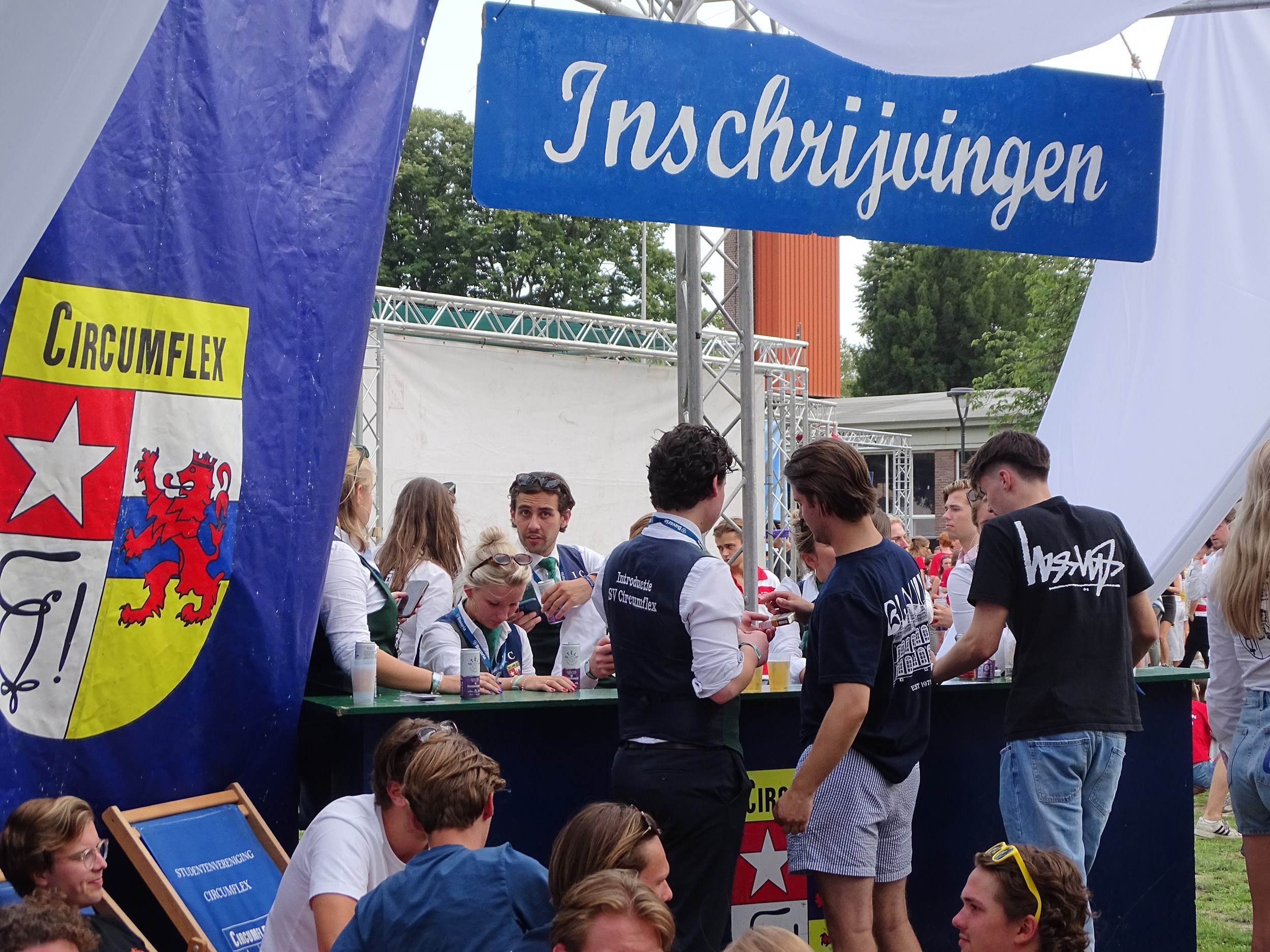 Circumflex during Inkom last August
Self-reporting
In their joint press release, Tragos are Circumflex expressed deep disappointment with UM’s decision. The student associations are yet to respond to written questions from Observant. But if they are truly unaware of any recent violations of the Code of Conduct, as they claim, then where did the reports of fainting and other incidents come from? According to the rector, UM got its information from the associations themselves through a “self-reporting” process initiated at the request of the Executive Board. The request followed a report of misconduct during “A-tijd”, the period when prospective members are introduced to student societies. Habibović: “That report raised concerns about what might have been happening during other introduction activities since September.”
The rector believes it is now time to broaden the discussion beyond just the university’s relationship with Circumflex and Tragos. “If associations insist that hazing is necessary to ‘add value’, then we have to ask: should UM continue to provide them with [financial] support?” In the coming period, the university plans to hold discussions with experts, the UM community and the student associations themselves.