The German-born alum of the master’s programme in Work and Organisational Psychology at the Faculty of Psychology and Neuroscience (FPN) came in second in the David van Lennep Thesis Prize, an annual award for the best thesis in the field of people, work and organisations. “I hadn’t even planned to attend the ceremony”, Aumüller admits from her home country, where she now works as a consultant. “I was convinced I wouldn’t win anything. I wasn’t even sure I should do a master’s in the first place. In the end, I graduated cum laude.”
Feeling
Aumüller explored the impact of creative activities, such as painting or playing a musical instrument, on employee well-being and recovery after a long day at work. “Everyone needs to unwind and decompress, regardless of how much pressure they’re under. Some people collapse on the sofa and switch on the TV – that’s a very passive way of rewinding from work. There’s already a lot of research on many recovery activities, like physical activities, but creative pursuits haven’t been studied in nearly as much depth. What effects do they have? Can they help us recover from work-related stress? That’s what I wanted to find out.”
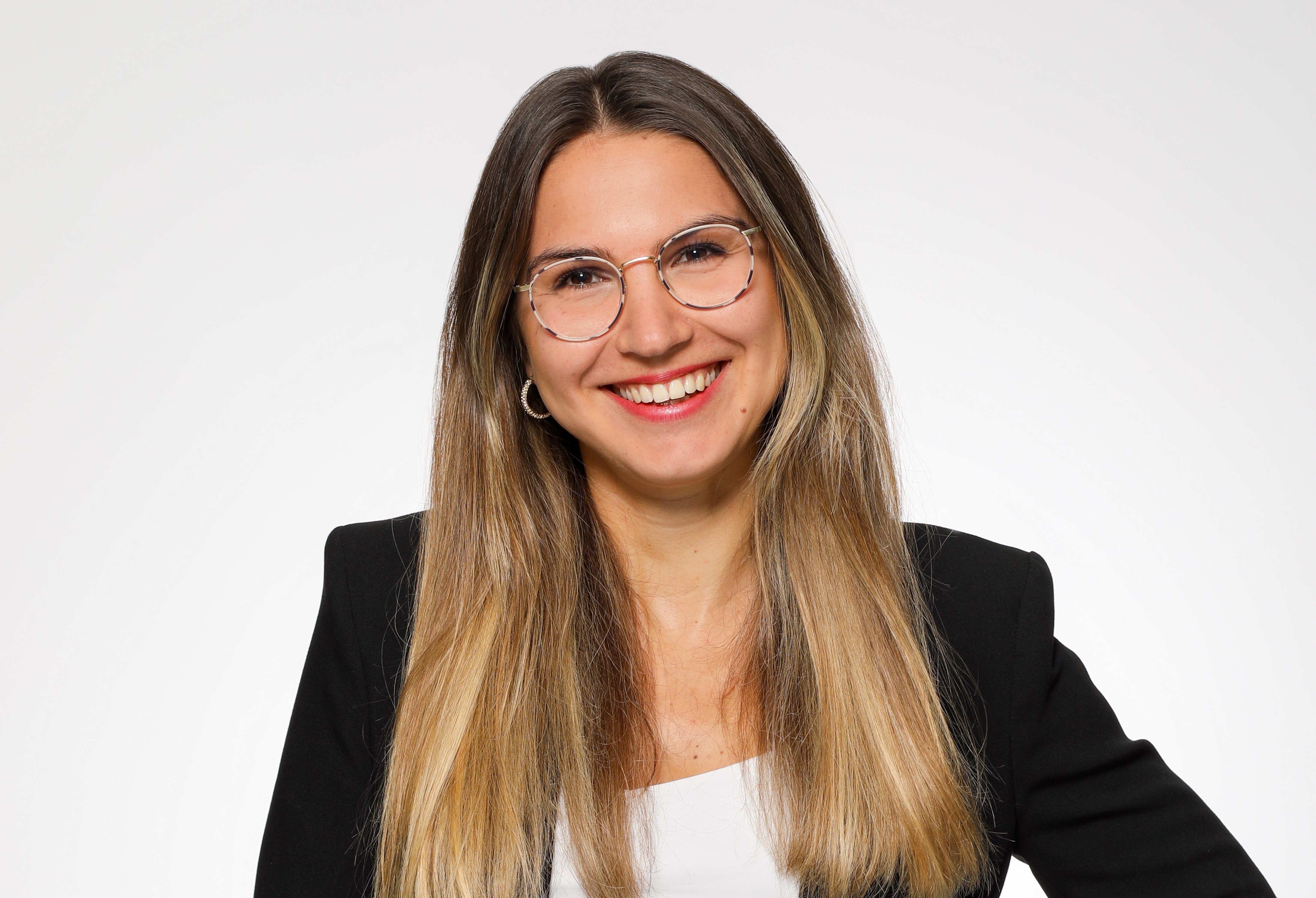 Nicola Aumüller
According to Aumüller, it mostly comes down to the feeling you get from creating or doing something. “Accomplishing something gives you a sense of pride and satisfaction. You put effort into something creative – and in return, it leaves you with a good feeling that can carry over into your workday.” She explains that creative activities can lift your mood by giving you that sense of having done something rewarding. Of course, she says, you can disconnect and recover from work by watching Netflix all evening, “but creative activities, while increasingly popular, still don’t get enough credit as a way to truly discharge..”
Simple things
So, should everyone who wants to turn up for work well-rested take up sculpting or painting? Not necessarily, says Aumüller. “Going through the whole process of setting up an easel, getting out brushes and filling a canvas with paint isn’t for everyone – and that’s completely understandable. It can be something much simpler, like trying out a new recipe, writing in a journal or rearranging a room in your home. Why not reorganise your bookshelves?”
Aumüller would like to keep exploring how people with different personalities respond to creative activities. “My research is something I’d like to take further. I can see myself working as an organisational psychologist, sharing the message of the importance of recovery from work and helping make it part of organisational culture.”